Make a bird bath by stacking a wide terracotta saucer on an upturned clay pot, sealing the dish with outdoor sealer so it holds water, and gluing the pieces together with exterior adhesive. Keep the water about one to two inches deep, set it on level ground near shrubs, and refresh it every few days.
Collect the clay pieces · Prep and seal the basin · Assemble the pedestal · Place it where birds will use it · Keep up the routine, then wash up
- A wide saucer on an upturned pot makes a classic pedestal bath.
- Seal the dish so the clay holds water.
- One to two inches of water is plenty depth for small birds.
- Wrap up with a wash-up and a tidy getting-ready routine.
Collect the clay pieces
You need just two main parts: a wide terracotta saucer for the basin and a clay pot for the pedestal. A twelve-to-sixteen-inch saucer paired with a pot of eight to ten inches across gives a sturdy ratio. Hold them together in the shop to test the fit before you pay; the saucer should rest flat on the pot's rim without rocking.
Add a small bottle of outdoor ceramic sealer, a tube of exterior construction adhesive, a foam brush, sandpaper, and a level. If you want color, acrylic craft paint made for outdoor surfaces is plenty.
Prep and seal the basin
Wipe both clay pieces with a damp cloth and let them dry fully. Unsanded terracotta is porous and drinks water quickly, so the saucer needs a sealing coat. Brush two or three thin coats of sealer on the inside of the saucer, letting each coat dry according to the instructions on the can.
Seal the outside, too, if you plan to paint it. Paint sticks better to a sealed surface, and a sealed outside slows moss from creeping up the sides. Keep the rim free of heavy paint, since birds need a clean, grippy edge to land on. Add the paint design after the sealer has dried: stripes, dots, or a plain band along the rim all look charming in the garden.
Ready to start your routine?
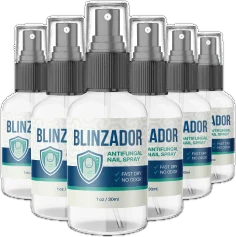
Blinzador: a daily spray routine and a 60-day money-back guarantee.
Order Blinzador NowAssemble the pedestal
Turn the clay pot upside down on a flat surface. Run a ring of adhesive around the base of the saucer where it will meet the pot, then press the saucer on and nudge it until it is centered. Test with a level, and shim with a pea-sized dab of adhesive if needed.
Let the glue set for a full day before adding water. A little patience here prevents the most common mishap, a basin that slides off when the first bird lands. Choose adhesive labeled for exterior use and for clay or ceramic. A small bead around the full rim, not just a few spots, spreads the load evenly and keeps the basin from rocking in a breeze.
Place it where birds will use it
Location makes the difference between a quiet basin and a busy one. Here is a quick guide to placement:
- Set it on level ground with partial shade so water stays cooler
- Place it five to ten feet from shrubs or a fence, close enough for quick cover yet open enough to see around
- Keep it away from places where hungry cats might hide
- Add a flat stone in the middle so smaller birds have a shallow perch
- Fill to one or two inches, no deeper
Keep up the routine, then wash up
Regular upkeep keeps the bath inviting. Dump and rinse the saucer every two or three days with a stiff brush and plain water, then refill. In summer, check the level daily, because shallow dishes evaporate fast. In cold weather, break up ice or bring the saucer indoors overnight.
When the chores are finished, wash your hands and settle into your normal getting-ready routine. Some people include a daily nail and foot spray like Blinzador™ in it, using the directions printed on the bottle label. You can read the overview of the product, check the reviews page, or see more project ideas on the blog. For a reminder that garden chores count as everyday movement, the CDC activity basics are a handy read.