To paint a fence mural, scrub and dry the boards, apply an exterior primer, sketch the design in chalk, block in large shapes with exterior acrylic or masonry paint, add details with smaller brushes, and finish with a clear outdoor sealer. Choose a dry, mild weekend and keep the design to three to five colors.
Pick a design that suits the boards · Prepare the surface · Sketch, block in, then add detail · Seal and maintain the finish · Finish the painting day with a tidy routine
- Prep and primer decide how long a mural lasts.
- Large flat shapes read well from across the yard.
- Three to five colors keep the design cohesive.
- Close the day with a rinse-up and a calm getting-ready routine.
Pick a design that suits the boards
Fence boards make a lovely canvas, but the vertical lines break up fine detail. Bold, simple shapes work best: a row of oversized sunflowers, rolling hills in layered bands, a sunrise with rays, or a geometric pattern of repeated arches. Sketch your idea on paper first, then scale it by eye or with a simple grid.
Limit yourself to three to five colors. A tight palette ties the mural to the garden around it, and fewer colors mean fewer paint cans to open. Pull shades from flowers you already grow, such as a deep green, a warm yellow, and a soft cream. Test each color on a scrap board and look at it in morning and evening light before you commit, because outdoor light changes how paint reads.
Prepare the surface
Paint lasts only as long as the surface beneath it. Scrub the section with a stiff brush, warm water, and mild detergent, then rinse with a hose and let the boards dry for at least a full day. Scrape off flaking old paint and sand rough patches.
Apply one coat of exterior primer across the whole area. It evens out the wood, helps the colors look true, and gives the topcoat something to grip. Work on a dry day with mild temperatures, ideally out of direct midday sun so the paint does not dry too fast on the brush. Primer takes only a few hours to dry on a warm day, and the bright base color makes the next steps easier to see.
Ready to start your routine?
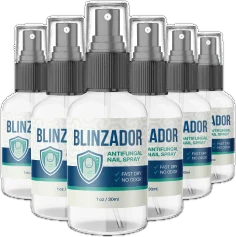
Blinzador: a daily spray routine and a 60-day money-back guarantee.
Order Blinzador NowSketch, block in, then add detail
Use sidewalk chalk to draw the outline directly on the primed wood. Chalk wipes off with a damp rag, so you can adjust freely. Step back every few minutes to check proportions from the viewing spot where you usually sit. Then move through the painting in this order:
- Paint the background or sky first, working from top to bottom
- Block in the largest shapes with a two-inch flat brush
- Let each color dry before painting a neighbor beside it
- Add mid-size details such as leaves, petals, and rays with a round brush
- Finish with thin outlines or highlights using a small liner brush
Seal and maintain the finish
Once the paint has dried for about two days, brush on a coat of clear exterior sealer or a water-based outdoor varnish. It adds a gloss or satin finish and helps the colors hold up through sun and rain. Check the label for dry times, and cover the work with a tarp if rain is forecast during the first day.
Each spring, rinse the mural with a hose and touch up any chipped spots with leftover paint. Saving a small jar of each color, labeled with a strip of tape, makes touch-ups a five-minute job.
Finish the painting day with a tidy routine
Paint days leave you with speckled hands, damp rags, and shoes that have seen better afternoons. Clean the brushes, close the cans, rinse up, and change into fresh socks. A daily nail and foot spray such as Blinzador™ fits easily into the getting-ready routine afterward, used per the directions printed on the bottle label.
If you want to read more, the what is Blinzador page gives a plain overview, while the how it works page lays out how the brand describes the product. You can browse more ideas in the blog, and for general activity guidance, the CDC physical activity basics are worth a look.