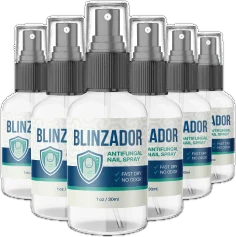
A spray bottle label follows a pattern: product name, net contents in fl oz and ml, directions, then an ingredient list. Read them in that order. The Blinzador bottle is 30 ml (1 fl oz) and the brand names five ingredients: Undecylenic Acid, Lavender Oil, Jojoba Oil, Menthol and Vitamin E.
Start with the name and the front panel · Net contents: fl oz and ml · Directions are the part to follow · How ingredient lists are ordered · A 30-second label checklist
- Read in order: name, net contents, directions, ingredient list.
- Net contents appear in both fl oz and ml on most US labels.
- Directions printed on the bottle are the guide to using it.
- The brand names five ingredients without itemizing amounts.
Start with the name and the front panel
The front of a bottle is designed to be read in about three seconds. You will find the product name in the largest type, often with a short descriptor such as spray, mist or daily care. That descriptor tells you the format and the category, nothing more.
Before you move on, make sure the name on the bottle matches the name on the page where you ordered. It sounds obvious, yet it is the simplest way to confirm you are holding the product you meant to buy.
Look, too, at what the front panel leaves out. Space is limited, so fine detail lives elsewhere on the bottle. That is not a flaw; it is a division of labor. The front says what it is, and the other panels say how to use it and what is named inside.
Net contents: fl oz and ml
Net contents tell you how much liquid is in the bottle, not how big the bottle looks. US labels usually print the amount twice, once in fluid ounces and once in milliliters. A common small spray size is 1 fl oz, which is about 30 ml.
That is exactly the size of the Blinzador bottle: 30 ml, or 1 fl oz. Seeing both numbers is a quick way to compare bottles of different shapes, because tall slim bottles and short wide ones can hold the same amount.
When two bottles differ, convert to the same unit before comparing. One fluid ounce is roughly 30 ml, so a quick conversion keeps the comparison honest.
Ready to start your routine?
Blinzador: a daily spray routine and a 60-day money-back guarantee.
Order Blinzador NowDirections are the part to follow
Directions are usually on the back or side panel, in small print. Regard them as the working instructions for the bottle. They are written for that formula and that nozzle, which is why this site never restates counts or timings and instead points you to the label.
Read directions once when the bottle arrives and again after a week or two. The second read often catches a line you skimmed the first time. If you want the bigger picture of a routine, our how it works page explains how a spray step fits into a day.
- Find the directions panel before the first use.
- Follow the order of steps exactly as printed.
- Re-read the panel after a couple of weeks.
How ingredient lists are ordered
An ingredient list is a roll call of names. On many products they are printed in a set order, and the label itself is the place to see how a particular brand has arranged them. A list tells you what is named, not how much of each is present, unless the label itemizes amounts.
The brand names five ingredients for Blinzador: Undecylenic Acid, Lavender Oil, Jojoba Oil, Menthol and Vitamin E. Amounts are not itemized, so this site does not state any. If a name is unfamiliar, the PubChem database is a free public reference for chemical naming, and our formula page goes name by name.
A 30-second label checklist
Put it all together and you have a short habit you can use on any bottle in your bathroom or gym bag. Run through it whenever something new arrives.
The brand also shows badges on its order page, which are page statements rather than label fields. Our overview of the product shows where each piece of information lives.
- Name: does it match what you ordered?
- Net contents: fl oz and ml, side by side.
- Directions: located, read and followed.
- Ingredient list: names read slowly, one at a time.