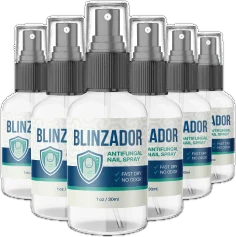
Undecylenic acid is an 11-carbon unsaturated fatty acid, also called 10-undecenoic acid, made from castor oil. Lavender oil is an essential oil steam-distilled from the flowers of Lavandula plants, with Mediterranean origins. Both appear among the five ingredients the brand names on the Blinzador label. This guide covers naming only.
Why a label name can look intimidating · Undecylenic acid: decoding the name · Where it comes from · Lavender oil: botany and geography · How labels print these names
- Undecylenic acid is an unsaturated fatty acid with 11 carbons, made from castor oil.
- Its other name is 10-undecenoic acid.
- Lavender oil is steam-distilled from Lavandula flowers, with Mediterranean origins.
- Labels print both as plain names; amounts are not itemized by the brand.
Why a label name can look intimidating
Some ingredient names read like a chemistry exam. Undecylenic is a mouthful, and the first time you meet it on a bottle you might skip right past. The good news is that the name is built from simple parts, and once you see the logic, it stops being scary and starts being rather tidy.
The brand names five ingredients for Blinzador, and two of them are the subject of this guide. The other three are covered in our companion post on jojoba oil, menthol and vitamin E. Here, the aim is simply to explain what the two names mean.
Undecylenic acid: decoding the name
Chemists name molecules by counting carbon atoms. The prefix undec- comes from the Latin word for eleven, so undecylenic points to a chain of 11 carbons. The -ylen- part signals a double bond somewhere in that chain, which is what makes it unsaturated, and -ic acid tells you it belongs to the carboxylic acid family. Put together, the name describes an 11-carbon unsaturated fatty acid.
You may also see it written as 10-undecenoic acid. Same molecule, a different naming convention: the 10 tells you the double bond sits at the tenth carbon. Reference databases such as PubChem list both names side by side, which helps when a label uses one and a source uses the other.
- Undec- means eleven carbons.
- Unsaturated means the chain includes a double bond.
- Also called 10-undecenoic acid.
- Made from castor oil, according to standard chemistry references.
Ready to start your routine?
Blinzador: a daily spray routine and a 60-day money-back guarantee.
Order Blinzador NowWhere it comes from
Undecylenic acid is made from castor oil, the thick oil pressed from castor beans. Chemists produce it by splitting down a fatty acid found in that oil, and the result is the 11-carbon chain described above. That origin is simply a fact about manufacturing, in the same way that flour comes from wheat.
The same pattern holds across ingredient lists: each name points back to a source. Knowing the source turns a strange word into a familiar object, and that makes the whole label easier to read at a glance.
Lavender oil: botany and geography
Lavender oil is an essential oil. The word essential here means the concentrated essence of the plant, not that anything is required. It is steam-distilled from the flowers of Lavandula, a genus of flowering plants with Mediterranean roots. Steam passes through the blossoms, carries their aromatic compounds along, and is cooled back into liquid, where the oil is collected.
On a label, you may see it printed as Lavender Oil, or by a botanical name such as Lavandula angustifolia. A botanical name is the plant's formal identity, written in Latin so that it means the same thing in every country. If your label uses the common name, that is perfectly normal.
Geography adds a useful footnote. Lavender is closely tied to the Mediterranean, which is why many references describe its origins there, even though the plant is now grown in many regions.
How labels print these names
Both names appear as plain entries in an ingredient list. The brand does not itemize amounts, so this site does not state any, and it does not describe what either one does. If you want to explore chemistry names further, our formula page lists all five, and the what is Blinzador page gives the overview. For label-reading habits in general, browse the blog.
A good practice is to read each name aloud once. It sounds silly, but a name you can pronounce is a name you can look up, and looking things up is the whole point of reading a label.