To weave a rope door mat, stretch parallel lengths of three-eighths-inch natural rope across a simple frame, then weave a continuous cord over and under them in rows, packing each pass tightly. Knot the ends, trim them, and flatten the mat under a heavy board. Expect about four to six hours for a standard 18 by 30 inch size.
Choose rope and build a frame · Set up the lengthwise cords · Weave over and under · Finish the ends and trim · Put the tools away and settle into your routine
- Natural rope in three-eighths-inch thickness gives a sturdy, classic look.
- A scrap-wood frame with nails holds the lengthwise cords in place.
- Packing each row snugly makes the mat lie flat.
- After a day of handwork, wash up and settle into a simple getting-ready routine.
Choose rope and build a frame
Natural jute, sisal, or manila rope has the look people expect from a classic entry mat, and it is easy on the hands. Three-eighths of an inch is a good thickness for a first project. For an 18 by 30 inch mat you need roughly sixty to seventy feet, so buy a hank of about one hundred feet to leave room for mistakes.
The frame is nothing more than four pieces of one-by-two lumber screwed into a rectangle slightly bigger than the finished mat. Hammer a row of nails along the two short sides, spaced one inch apart. Those nails keep the lengthwise cords evenly spaced, and the frame holds everything steady while you weave.
Set up the lengthwise cords
Tie the end of your rope to the first nail at the top left corner. Run it down the frame, around the opposite nail, and back up to the next nail on the first side, zigzagging until every nail has a cord around it. Pull each pass snug but not drum tight; rope stretches a little as you work.
When you reach the last nail, knot the end to it and trim the leftover rope. You should now see a set of parallel cords that looks like a harp. Slide a ruler under the cords to check that the spacing is even, then adjust any that wandered.
Ready to start your routine?
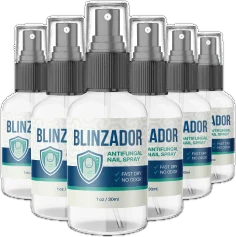
Blinzador: a daily spray routine and a 60-day money-back guarantee.
Order Blinzador NowWeave over and under
Cut a long working cord from a second length of rope, about fifteen feet to begin. Tape the end to keep it from fraying and use it like a giant needle. Starting at the top, weave the working cord across the width: over one lengthwise cord, under the next, repeating all the way to the far side.
- Wrap around the last cord, then return in the opposite pattern so over becomes under
- Push each completed row against the previous one with a fork or a plastic comb
- Join a new working cord by overlapping ends about four inches and sewing with sturdy thread
- Keep the tension steady so the edges do not bow in
- Continue until the frame is full, then check the back for loose spots
Finish the ends and trim
Slide the mat off the nails by lifting the loops one at a time. Tie each pair of neighboring ends into a tight overhand knot, working along the edge. Trim the tails to about an inch with sharp scissors, then run a bead of fabric glue across the knots to secure them.
Set the mat under a heavy board or a stack of books overnight to flatten it. If you want a protective base, glue on a piece of rubber shelf liner cut slightly smaller than the mat so it grips the floor without showing at the edges.
Put the tools away and settle into your routine
Rope work leaves fibers on your clothes and a dusty floor around the frame. Sweep up, put the scissors away, wash your hands, and change your socks. A daily nail and foot spray such as Blinzador™ can be part of the getting-ready routine that follows. Just follow the directions printed on the bottle label.
To read more, the what is Blinzador overview explains the basics, and the pricing page points to the brand's order page for pack options. More craft ideas live in the blog. For general guidance about everyday movement, including crafting and gardening, see the CDC activity basics.